Gaston County Takes Outdoor Recreation Vision to the Great Trail State Conference

Jul 29
5 min read

When Michael Applegate looks at Gaston County’s outdoor recreation future, he does not see a collection of individual parks, trails, and natural areas. He sees a connected network of experiences created through collaboration, conservation, and strategic investment. This is the collaborative work that will be highlighted on a statewide stage at the 2026 Great Trail State Conference.
The Great Trail State Conference
Taking place August 10–12 at the Benton Convention Center in Winston-Salem, the Great Trail State Conference brings together leaders from across North Carolina to discuss trails, conservation, outdoor recreation, and the role these assets play in strengthening communities.

Representing Gaston County at the conference will be Michael Applegate, Director of Gaston County Parks, Recreation & Tourism, who will participate in the panel discussion “Developing Gaston County into a Trails Destination.”
The session will highlight how communication and collaboration among municipal, county, state, nonprofit, and private entities have helped Gaston County develop a growing network of trail experiences and achieve state trail designations.
Applegate will be joined by partners directly involved in this work, including:
John Searby, CEO + Executive Director, Daniel Stowe Conservancy
Eric Smallwood, Parks and Recreation Director, City of Mount Holly
Ashton Lamb, Trail Development Manager, Carolina Thread Trail
Together, these organizations represent the collaborative approach that is helping shape Gaston County’s outdoor recreation future.
A Strategic Approach to Outdoor Recreation
Gaston County’s outdoor recreation vision is built on more than individual parks, trails, or natural attractions. It is about creating connections between these assets and developing experiences that benefit residents, visitors, and communities throughout the county.
That approach aligns with Gaston County Tourism’s Destination Vision 2030 goal of becoming the Piedmont’s premier outdoor recreation destination.
For Applegate, moving from having outdoor assets to becoming an outdoor destination requires intentional planning, the right mix of amenities, connectivity between experiences, strong partnerships, and a shared vision for the future.
It also requires recognizing that outdoor recreation serves many purposes — supporting quality of life for residents, creating economic opportunities, protecting natural resources, and enhancing the visitor experience.
Collaboration Drives Progress
The development of a connected outdoor recreation destination requires many partners working together.
County and municipal governments, conservation organizations, trail organizations, private partners, donors, and community leaders each play an important role in preserving land, funding projects, creating access, and activating outdoor spaces for public enjoyment.
“The whole is greater than the sum of its parts,” Applegate said. “It often takes multiple entities to preserve, fund, develop and activate places of interest.”
The strategy behind Gaston County’s outdoor recreation vision can be seen across several key projects. Applegate describes these locations not as standalone attractions, but as connected pieces of a larger outdoor recreation network designed to create lasting value for residents and visitors.

Building Beyond Iconic Destinations
For many visitors, Crowders Mountain State Park is their first introduction to Gaston County’s outdoor opportunities.
The park’s visibility from Interstate 85, more than 5,000 acres of protected land, and iconic mountain views make it one of the region’s most recognizable outdoor destinations. Its free access and variety of trails also make it approachable for visitors with different levels of outdoor experience.
But Crowders Mountain is only one part of Gaston County’s larger outdoor recreation vision. By continuing to preserve natural spaces and develop complementary experiences, the county is creating more opportunities for visitors to explore rivers, parks, trails, and nature attractions throughout the region.
Expanding Access Through Partnership and Investment
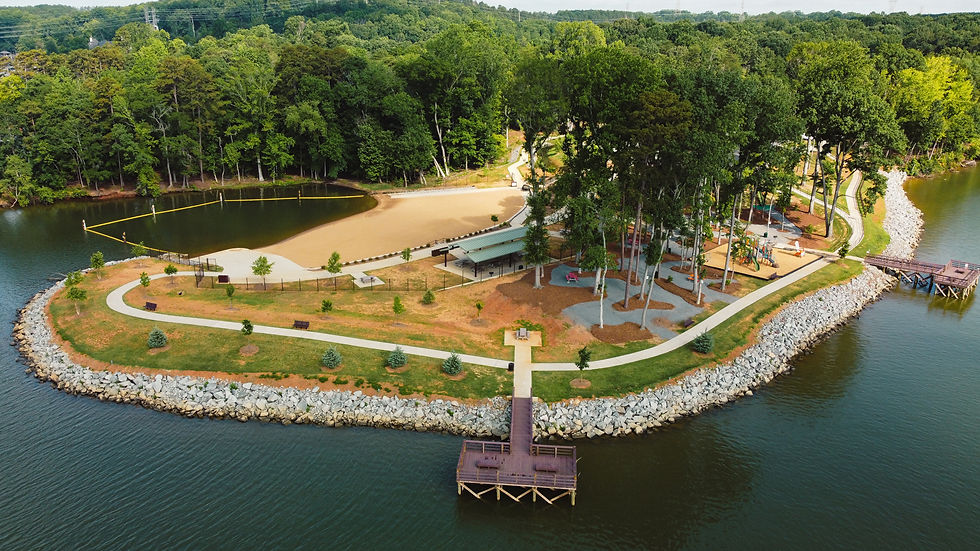
South Point Beach Access demonstrates Gaston County’s commitment to expanding outdoor recreation opportunities and improving access to natural resources.
The project also highlights the importance of partnerships in creating meaningful public spaces. Duke Energy played an instrumental role in creating this recreational area, while Gaston County added amenities that enhance the experience for residents and visitors.
Projects like South Point Beach Access strengthen Gaston County’s outdoor recreation network by adding another place for people to connect with nature, spend time outdoors, and discover more of what the county has to offer.

Connecting Communities Through Trails
One of the most significant opportunities shaping Gaston County’s outdoor future is Catawba Cove, a 562-acre natural area that will become an important part of the Matthews Belk South Fork River Corridor.
The planned corridor will create a 23-mile continuous Carolina Thread Trail connection from Spencer Mountain to Daniel Stowe Conservancy while connecting the communities of Ranlo, Lowell, McAdenville, Cramerton, and Belmont.
The trail will also contribute to the future South Fork Passage State Trail, connecting Catawba, Lincoln, and Gaston counties.
Catawba Cove represents the opportunity to preserve a significant natural area while creating public access for hiking, biking, paddling, and outdoor exploration. It demonstrates how conservation and recreation can work together to create lasting community assets.
Expanding the Outdoor Experience at Daniel Stowe Conservancy
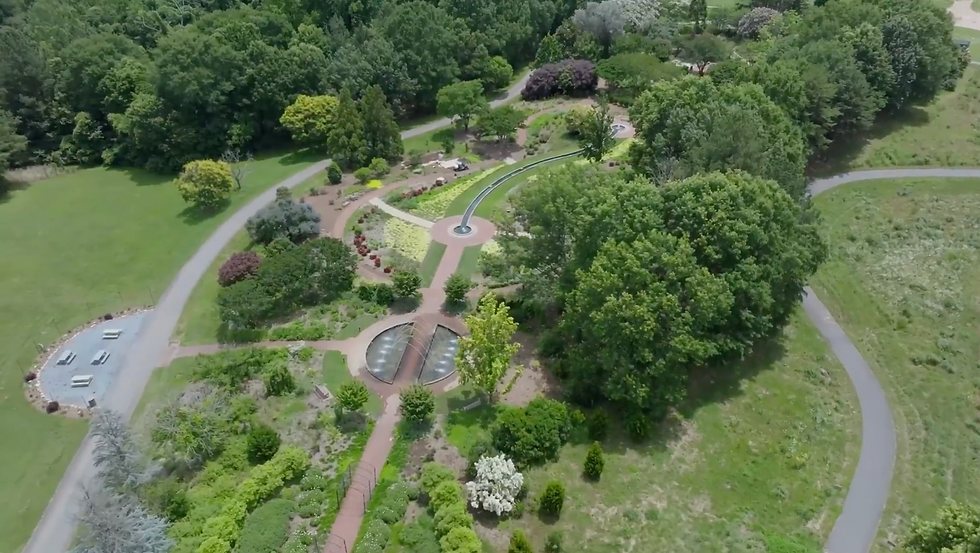
Daniel Stowe Conservancy has long been recognized for its gardens, but the property continues to expand how visitors experience the land through trails and outdoor exploration.
As an important anchor within the Matthews Belk South Fork River Corridor and South Fork Passage State Trail, the conservancy will play a key role in connecting outdoor experiences throughout Gaston County.
The combination of trails, nature, gardens, events, and other amenities provides visitors with more reasons to explore, stay longer, and experience the county in new ways.
Outdoor Recreation Creates Community Impact
Month in and month out, we see 40-plus percent of our visitors engaged in some type of outdoor recreation activity within the county,” said Mike Applegate. “That’s an important part of our destination’s draw and the overriding motivation for visitors to travel here and to spend their discretionary time and money.
But the value of outdoor recreation extends beyond tourism. The trails and outdoor spaces that attract visitors also help create healthier communities, strengthen social connections, improve quality of life, and provide economic advantages for communities seeking to attract residents, businesses, and talent.
Looking Toward 2030
Gaston County’s goal of becoming the Piedmont’s premier outdoor recreation destination by 2030 is supported by a long-term commitment to conservation, connectivity, collaboration, and strategic investment.
The Great Trail State Conference provides an opportunity to share the work happening in Gaston County while learning from communities across North Carolina that are also investing in outdoor recreation.
The conversation in Winston-Salem reflects what is already underway locally: partners working together to connect trails, communities, natural resources, and experiences in a way that benefits both residents and visitors.
For Applegate, Gaston County’s outdoor recreation future is not being built through one project or one organization. It is being built through a shared vision — one where partners across the county work together to connect trails, communities, natural resources, and experiences for generations to come.